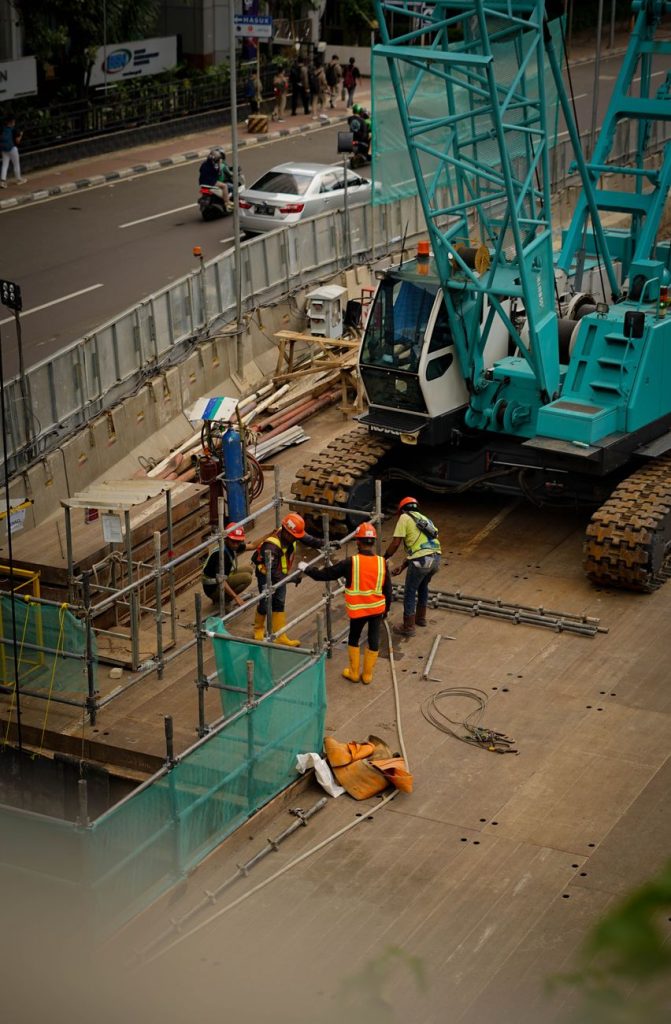
Protecting your construction business from unforeseen liabilities and financial losses is a fundamental step for any successful general contractor. In an industry where physical risks and high-value assets are the norm, having the right insurance package is not just a legal requirement but a strategic necessity.
Choosing the best construction insurance packages for general contractors involves understanding the specific risks associated with your projects. From bodily injuries on-site to property damage caused by equipment, the right coverage ensures your business remains resilient in the face of adversity.
Key Takeaways:
- General Liability insurance is the core of every contractor’s insurance package.
- Workers’ Compensation is mandatory in most regions to protect employees and owners.
- Builder’s Risk coverage is essential for protecting structures under construction from natural disasters.
- Bundling multiple policies can lead to significant cost savings on annual premiums.
- Active risk management and safety protocols can lower your insurance costs over time.
Guide to Essential Coverage in Construction Insurance Packages
The first step in securing your business is identifying the primary insurance types that constitute a comprehensive package. General liability insurance serves as the foundation for protecting against third-party claims of injury or property damage.
As a general contractor, you are often responsible for the actions of subcontractors and the safety of the entire job site. General liability insurance covers legal fees, settlements, and medical expenses if a bystander is injured or if you accidentally damage a client’s property.
Workers’ Compensation insurance is another critical component that covers medical costs and lost wages for employees injured on the job. In many jurisdictions, this is a non-negotiable legal requirement for any business with employees, including small construction firms.
Builder’s Risk insurance provides specialized protection for the building itself while it is under construction. This policy covers damage from fire, wind, theft, and vandalism, ensuring that a single incident does not derail your entire project budget.
Commercial Auto insurance is necessary for vehicles used for business purposes, such as transporting materials or moving heavy machinery between sites. Personal auto policies typically exclude business-related accidents, making this specialized coverage vital for your fleet.
Inland Marine insurance is often overlooked but essential for protecting tools and equipment while they are in transit. If your expensive tools are stolen from a truck or damaged on the way to a site, this coverage provides the funds for replacement.
Cost Details and Coverage Comparison for Contractors
Understanding the financial commitment required for these packages is essential for accurate project bidding and business planning. Insurance premiums are influenced by your revenue, payroll, location, and past claims history.
While costs vary significantly based on the size of your operations, it is helpful to look at industry averages to gauge your potential expenses. Below is a detailed breakdown of common insurance costs for general contractors.
| Policy Type | Core Coverage Focus | Estimated Annual Premium |
|---|---|---|
| General Liability | Third-party injury and property damage | $800 – $3,500 |
| Workers’ Compensation | Employee injuries and disability benefits | $2,000 – $10,000+ |
| Builder’s Risk | Structures under construction and materials | 1% – 4% of total project value |
| Commercial Auto | Business-owned trucks and vans | $1,500 – $3,000 per vehicle |
| Inland Marine | Tools, equipment, and materials in transit | $500 – $2,000 |
| Professional Liability | Errors in design or project management | $1,000 – $4,500 |
These figures are estimates and can fluctuate based on the specific risk profile of your construction projects. For example, a contractor specializing in high-rise roofing will face much higher premiums than one focused on interior renovations.
To get the most accurate pricing, you should work with an insurance broker who specializes in the construction industry. They can help you shop across multiple carriers to find the best construction insurance packages for general contractors at competitive rates.
How to Choose the Right Package for Your Project Scale
Selecting the right insurance involves more than just picking the cheapest option; it requires a deep dive into your project scope. A small residential contractor has vastly different needs than a large-scale commercial builder managing multi-million dollar contracts.
If you primarily handle small residential jobs, a Business Owner’s Policy (BOP) might be the most cost-effective solution. A BOP bundles general liability and property insurance into a single package, often at a discounted rate compared to buying them separately.
For larger commercial contractors, specialized policies like Umbrella or Excess Liability insurance become necessary. These policies provide additional coverage limits beyond what your primary general liability policy offers, protecting you from catastrophic lawsuits.
You must also consider the requirements set by your clients and local government authorities. Many commercial contracts specify exact insurance limits, such as requiring at least $2 million in general liability coverage and specific endorsements.
Reviewing the “Experience Modification Rate” (EMR) is also a crucial part of managing your workers’ compensation package. A lower EMR, achieved through a strong safety record, can significantly reduce your insurance premiums and make you more competitive in the bidding process.
Always ensure that your insurance package includes coverage for “Completed Operations.” This protects your business if a structural issue or defect is discovered years after you have finished the project and left the site.
Requirements for Commercial vs Residential Construction Projects
Commercial construction projects typically carry higher risks and more stringent regulatory requirements than residential ones. In commercial settings, you are often dealing with larger crews, heavier machinery, and more complex structural designs.
Client contracts in the commercial sector often demand that the general contractor names the client as an “Additional Insured” on their policy. This provides the client with direct protection under your insurance policy if a claim arises from your work on their property.
In residential construction, the focus is often on protecting the homeowner and ensuring that subcontractors are properly insured. Many general contractors require their residential subcontractors to carry their own liability insurance to prevent claims from trickling up to the main policy.
Regardless of the project type, you should always verify the legal requirements in your specific state or province. Some regions have mandatory disability insurance or specific environmental pollution coverage requirements that must be integrated into your package.
Failing to meet these requirements can result in heavy fines, stop-work orders, or the permanent loss of your contractor’s license. It is your responsibility as a professional to stay updated on these regulatory shifts and adjust your insurance accordingly.
Managing Subcontractors and Certificates of Insurance (COI)
One of the biggest challenges for general contractors is managing the liability risks introduced by subcontractors. If a subcontractor causes an accident and does not have insurance, the financial burden will likely fall on you and your insurance provider.
To mitigate this risk, you must implement a strict system for collecting and verifying Certificates of Insurance (COI) from every subcontractor. A COI is a document issued by an insurance company that proves the subcontractor has active and adequate coverage.
Simply receiving a piece of paper is not enough; you must verify that the policy limits match your contract requirements. You should also check the expiration date to ensure the coverage remains active throughout the duration of the project.
Many modern general contractors use digital software to track COIs and receive alerts when a subcontractor’s insurance is about to expire. This proactive approach prevents coverage gaps and ensures that every person on your job site is properly protected.
In your contracts with subcontractors, include an “Indemnification Clause” that legally requires them to hold you harmless for losses caused by their negligence. When combined with a valid COI, this provides a multi-layered defense for your business assets.
Troubleshooting Common Insurance Claim Challenges
Even with the best construction insurance packages for general contractors, the claims process can be complex and frustrating. One common issue is the denial of claims based on specific policy exclusions that the contractor was unaware of.
For example, many standard liability policies exclude damage caused by mold, asbestos, or certain types of water intrusion. If your project involves these risks, you must purchase additional endorsements to ensure you are fully protected during a claim.
Another challenge is the delay in claims processing, which can stall your project and cause cash flow problems. To avoid this, maintain meticulous records of all project activities, including daily logs, photos of the site, and safety meeting minutes.
Detailed documentation serves as evidence during an insurance investigation, making it much harder for an adjuster to deny a legitimate claim. If an accident occurs, report it to your insurance carrier immediately, as late reporting is a common reason for claim denial.
If you find yourself in a dispute with your insurer, consider hiring a public adjuster or an attorney specializing in construction law. They can help interpret complex policy language and negotiate a fair settlement that reflects the true value of your loss.
Strategies to Reduce Insurance Premiums for Contractors
Lowering your insurance costs without sacrificing coverage is a key part of maintaining healthy profit margins. One of the most effective ways to do this is by implementing a comprehensive safety program that exceeds OSHA standards.
Insurance companies reward contractors who demonstrate a commitment to safety with lower premiums and better coverage terms. Regular safety training for employees and strict enforcement of PPE (Personal Protective Equipment) usage are essential components of this strategy.
Another method is to increase your deductible, which is the amount you pay out of pocket before the insurance kicks in. While this increases your financial risk for small incidents, it can significantly lower your annual premium costs for large policies.
Bundling your insurance policies with a single carrier is a classic strategy for obtaining discounts. Most insurers offer “package discounts” when you purchase general liability, commercial auto, and workers’ compensation from them simultaneously.
Finally, perform annual insurance audits to ensure you are not paying for coverage you no longer need. For instance, if your revenue has decreased or you have sold several pieces of heavy machinery, your premiums should be adjusted downward to reflect the lower risk.
Case Study: The Impact of Adequate Liability Coverage
Consider a realistic scenario where a general contractor was hired to renovate a historic commercial building. During the demolition phase, a subcontractor accidentally hit a main water pipe, causing significant flooding to the surrounding businesses.
The total damages, including structural repairs and business interruption losses for the neighbors, amounted to $450,000. Because the general contractor had a robust insurance package, their general liability policy covered the entire cost of the damages and the legal defense.
Without this coverage, the contractor would have been forced to pay the $450,000 out of pocket, which would have likely led to bankruptcy. This case highlights why insurance should be viewed as a vital business investment rather than an optional expense.
The contractor also benefited from an “Umbrella Policy” that provided an extra layer of protection, giving the client peace of mind to continue the project. This professional approach to risk management helped the contractor win more high-value contracts in the future.
In contrast, contractors who cut corners on insurance often find themselves unable to bid on large projects. Most reputable developers and government agencies will not even consider a bid from a contractor who cannot prove they have comprehensive insurance packages.
Conclusion
Finding the best construction insurance packages for general contractors requires a balance between cost, coverage limits, and industry-specific risks. By focusing on essential policies like general liability and workers’ compensation, you build a safety net that protects your employees and your financial future.
Remember that insurance is a dynamic part of your business that should evolve as your company grows and takes on more complex projects. Regularly reviewing your coverage with an expert broker and maintaining a stellar safety record are the best ways to keep your premiums low and your protection high.
As you navigate the competitive landscape of the construction industry, let your insurance package be a source of confidence. With the right protection in place, you can focus on what you do best: building quality structures and growing a sustainable business for years to come.